Mostar Attractions · 20 min read
Mostar Museums: Exploring the City's Rich History & Culture
A guide to Mostar's most important museums — from war memorials to Ottoman-era homes. What's worth your time, ticket prices, and visiting tips.
Quick answer
A guide to Mostar's most important museums — from war memorials to Ottoman-era homes. What's worth your time, ticket prices, and visiting tips.
Mostar, Bosnia and Herzegovina, is a city where history isn’t just written in books – it’s etched into every cobblestone, building, and, most profoundly, within its museums. Beyond the iconic Stari Most (Old Bridge) that gracefully spans the Neretva River, you’ll discover a rich tapestry of stories woven through its streets, buildings, and, most importantly, its museums. To truly grasp Mostar’s resilient spirit and deep cultural roots, you should definitely set aside time to explore these historical havens. Think of it as stepping into a living storybook where every exhibit tells a piece of the city’s incredible journey. If you’re planning your visit and want to make sure you experience the city’s essence, consider adding a comprehensive Mostar Day Trip to your itinerary, which often includes highlights that complement these museum visits.
Mostar’s past is a fascinating blend of Ottoman charm, Austro-Hungarian grandeur, and the stark realities of a more recent, turbulent conflict. The museums here don’t just display artifacts; they narrate the profound impacts of these different eras on the city and its people. From ancient archaeological finds to powerful testimonies of war, these institutions offer a unique window into the soul of Herzegovina. So, grab a coffee, get comfortable, and let’s explore some of Mostar’s most compelling museums, each offering a distinct perspective on this captivating city.
When you wander through Mostar, you’ll quickly notice that history isn’t just in the Old Bridge; it’s practically breathing from every cobblestone. The city’s museums are truly a testament to its layered past, offering a chance to really understand what shaped Mostar into the unique place it is today. You’ll find everything from ancient artifacts to poignant reflections on recent conflicts, giving you a comprehensive picture of life in Herzegovina through the ages.
The Herzegovina Museum (Muzej Hercegovine): A Deep Dive into Regional Heritage
If you’re looking to get a solid grasp of Mostar and the broader Herzegovina region’s cultural journey, the Herzegovina Museum (Muzej Hercegovine) is a fantastic starting point. Established in 1950, this museum was created with the clear purpose of finding, collecting, preserving, and sharing the rich cultural and historical heritage of Mostar and its surrounding areas. It’s not just one building; the museum actually has several departments spread across the city, each focusing on different facets of history and culture.
Located in what used to be the residence of Džemal Bijedić, a former head of the Yugoslav Government, the main building offers a glimpse into both the architectural style of the Austro-Hungarian period and the life of a significant historical figure. Inside, you’ll find tens of thousands of items, documents, photographs, and other materials. Imagine exploring archaeological finds, ethnographic exhibits showing traditional Bosnian life, and historical records that vividly depict the continuous happenings in Herzegovina and Mostar through various epochs. You can see old furniture and everyday objects, giving you a real sense of how people lived in the past.
The museum’s departments include:
- History Department: This section focuses on memorial houses of important Mostar figures who left their mark on the city’s tumultuous past.
- Literature Department: Housed in the Memorial House of Svetozar Ćorović, this part is dedicated to the life and literary works of this renowned Bosnian writer and poet Aleksa Šantić.
- Archaeology Department: Here, you’ll encounter fascinating remains from past times, including exhibits from the locality of the Basilica in Cim and a lapidarium of stećak tombstones and sarcophagi, showcasing ancient cultures and the progress of those periods. They even have findings from prehistoric tumuli in the area of Gubavica, confirming the presence of the Glasinac culture.
- Ethnology Department: This department aims to preserve and present the traditional way of life, culture, and customs of the urban and rural populations of Mostar and its surroundings. It offers insights into old Bosnian culture and daily life, including regional ethnic outfits.
When I visited, it felt like walking through a well-organized attic of Mostar’s collective memory. While some parts might feel a bit dated to a modern eye, the sheer volume and variety of items truly help you connect with the region’s long and complex story.
Practical Information for Herzegovina Museum
- Address: Bulevar Narodnog heroja 11, 88000 Mostar (Main building)
- Opening Hours: Monday – Friday: 08:00 – 16:00; Saturday: 08:00 – 13:00; Sunday: Closed [VERIFY current hours]
- Ticket Price: 5 BAM (approx. €2.50) [VERIFY current price]
The Old Bridge Museum (Muzej Stari Most): A Monument’s Story
You can’t talk about Mostar without mentioning the Old Bridge, or Stari Most. And fittingly, there’s a dedicated museum that tells its story: the Museum of the Old Bridge (Muzej Stari Most). Opened in 2006 to commemorate the second anniversary of the bridge’s reconstruction, this museum is nestled right within the Tara Tower, one of the historic towers guarding the bridge.
This museum really pulls you into the fascinating journey of this iconic structure. It’s set up in three main sections:
- Tara Tower Exhibits: The tower itself houses archaeological objects found during the 2002 reconstruction of the bridge. You’ll see informative charts that explain key historical events related to the Old Bridge. Climb the five floors, and you’ll reach a gazebo with a breathtaking panoramic view of Mostar, the Neretva River, and the surrounding old town. It’s a fantastic photo opportunity, even with the protective shields over the windows.
- Archaeological Remains: Below the tower’s entrance, you can explore the actual archaeological site. This part reveals the remnants of two older wooden bridges that existed before the stone masterpiece was built, along with the foundation of the Old Bridge itself. Dendrochronological analysis has even dated settlement at this site back to the 9th century. It’s pretty wild to stand there and realize just how long people have been crossing this river at this spot.
- “Labyrinth” Photographic Gallery: This section is a powerful visual narrative of the Old Bridge’s journey. It features photographs of the damaged towers and the various stages of the bridge’s restoration after its destruction in 1993 during the Bosnian War. You can also watch audiovisual materials and multimedia displays that recount the entire history of its construction and rebirth. It’s a very moving experience, especially when you see how meticulously it was rebuilt, stone by salvaged stone.
This museum emphasizes the bridge not just as a physical structure, but as a living symbol – a connection between people, religions, cultures, and eras. It offers a deeper understanding of the meticulous craftsmanship that went into its original construction and its careful restoration.
Practical Information for The Old Bridge Museum
- Address: Kujundžiluk, 88000 Mostar (Located inside Tara Tower, Old Town)
- Opening Hours: Daily, typically 09:00 – 18:00 (Summer hours may extend, winter hours may be shorter) [VERIFY current hours]
- Ticket Price: 10 BAM (approx. €5) [VERIFY current price]
Mostar Museum of War and Genocide Victims: Bearing Witness to Conflict
This is probably one of the most impactful and emotionally resonant museums you’ll visit in Mostar. The Mostar Museum of War and Genocide Victims offers a poignant and educational experience, preserving the memory of those affected by the Bosnian War 1992-1995 and the genocide that occurred. It’s a must-see for anyone wanting to understand the human cost of the conflict and the city’s incredible resilience.
The museum was started by volunteers and initially housed in a single room, but it grew as people from Mostar began bringing in more objects and sharing their personal stories. It features a carefully curated collection of photographs, personal testimonies, and artifacts that vividly illustrate the war’s impact on ordinary lives. You’ll see personal items, photographs, and firsthand accounts of what life was like, including information on concentration camps and the genocide. Many visitors find it incredibly moving, often shedding tears as they read the deeply personal and harrowing accounts of survivors.
The museum is designed to encourage understanding and reflection, making it an essential stop for anyone seeking to connect with the region’s complex past. It’s a somber but vital experience that truly brings the history to life, promoting dialogue about the effects of war and the critical importance of preventing future atrocities. While difficult, it offers a powerful lens into the city’s resilience and recovery.
Practical Information for Mostar Museum of War and Genocide Victims
- Address: Mala Tepa 2, 88000 Mostar (Very close to the Old Bridge)
- Opening Hours: Daily, typically 09:00 – 20:00 (Summer hours may extend, winter hours may be shorter) [VERIFY current hours]
- Ticket Price: 10 BAM (approx. €5) [VERIFY current price]
War Photo Exhibition Wade Goddard: A Photojournalist’s Perspective
Complementing the broader war museum, the War Photo Exhibition by New Zealand photojournalist Wade Goddard offers a powerful, visual narrative of the Bosnian War, particularly focusing on the events in Mostar in 1993. This exhibition is located in the Helebija Tower, near the Old Bridge, providing a symbolic backdrop to the stark images within.
Goddard was in Bosnia-Herzegovina during the conflict and his collection of around fifty photographs captures moments of fear, hope, destruction, and survival. You’ll see vivid scenes that reflect the intensity of the fighting, from shelling to how everyday life was disrupted. What makes this exhibition so compelling is its raw, unfiltered look at the realities of war and the human toll it took. It’s recommended by some to visit the exhibition twice because of the depth of the stories conveyed through the images and commentaries.
This exhibition is truly a testament to the power of photojournalism and helps visitors gain insights into the bloody happenings of 1993, including the destruction and eventual restoration of the Old Bridge. It’s a relatively small space, but the emotional weight of the images is immense, leaving a lasting impression.
Practical Information for War Photo Exhibition Wade Goddard
- Address: Kujundžiluk, 88000 Mostar (Located inside Helebija Tower, Old Town)
- Opening Hours: Daily, typically 09:00 – 18:00 (Summer hours may extend, winter hours may be shorter) [VERIFY current hours]
- Ticket Price: 6 BAM (approx. €3) [VERIFY current price]
Muslibegović House: A Glimpse into Ottoman Life
To truly step back in time and experience traditional Ottoman-era Bosnian life, the Muslibegović House is an absolute must-visit. This 17th-century museum complex is not just a museum; it also functions as a hotel, allowing you to immerse yourself fully in the historical ambiance.
Recognized as a national monument, the house beautifully showcases traditional Eastern decor with original Ottoman rugs, wooden furnishings, and historical exhibits, including rare books and manuscripts. It’s like walking into a perfectly preserved snapshot of the past. The interior still retains much of its original structure, decoration, and art, giving you a genuine feel for the refined lifestyle of a wealthy Ottoman family.
Beyond the main house, the complex is surrounded by a lush garden, often filled with roses and palm trees, offering a peaceful retreat. Visitors frequently praise the guided tours, which help bring the history of the house and its inhabitants to life. It’s a fantastic way to understand the social and cultural aspects of Mostar’s Ottoman period, showing you how daily life unfolded centuries ago.
Practical Information for Muslibegović House
- Address: Osmana Đikića 4, 88000 Mostar
- Opening Hours: Daily, typically 09:00 – 18:00 [VERIFY current hours]
- Ticket Price: 6 BAM (approx. €3) for museum entry, guided tour often included [VERIFY current price]
Koski Mehmed Pasha Mosque: History with a View
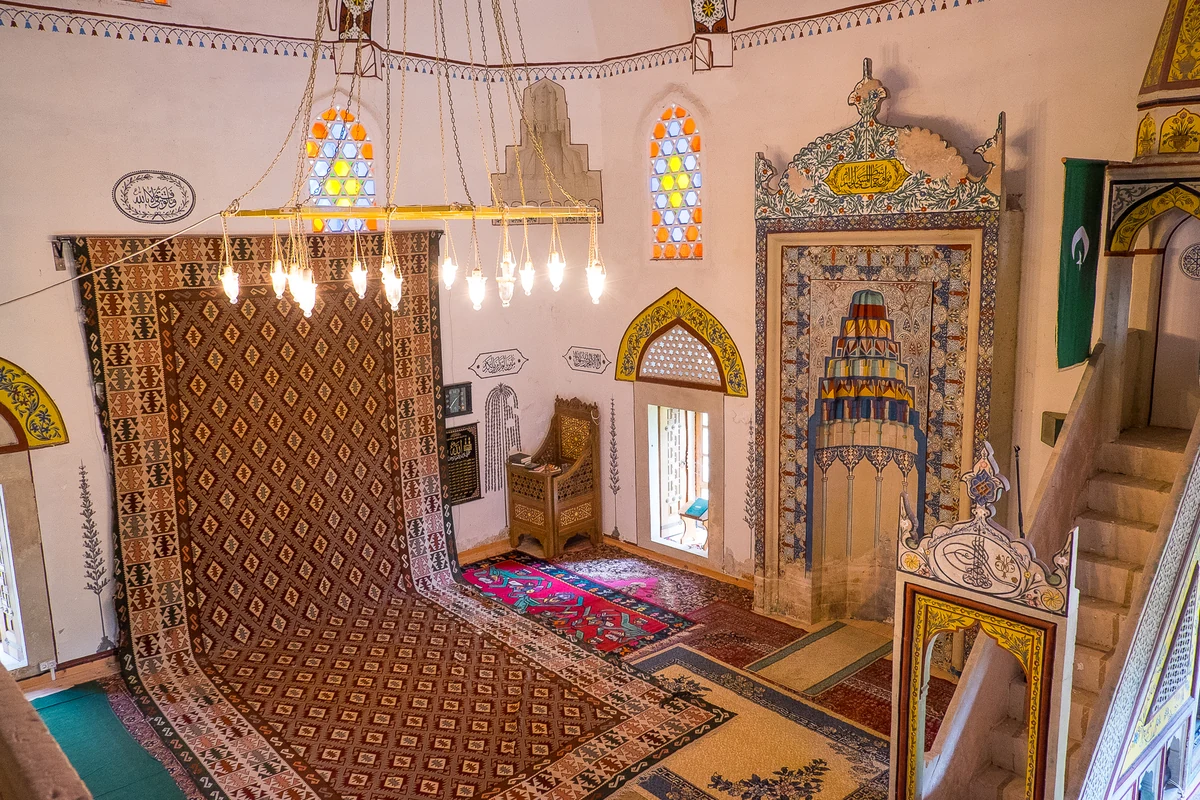
The Koski Mehmed Pasha Mosque, dating back to the 17th century, is more than just a place of worship; it’s a significant symbol of Mostar’s rich religious heritage and also functions as a museum for visitors. Located very close to the Old Bridge, its iconic Ottoman structure, with a classic dome and a lower minaret, is beautifully preserved.
What makes this mosque a unique stop for many visitors is the opportunity to climb its minaret. While the climb can be narrow, the reward is an absolutely stunning panoramic view of the Old Bridge, the Neretva River, and the entire city of Mostar. It’s one of the best vantage points to capture breathtaking photos of the Old Town. Plus, you’ll find the mosque’s courtyard offers a peaceful escape from the busy streets, and its fountains provide refreshing water.
Inside, you can admire the original style and beautiful tapestries. Visiting the mosque and climbing the minaret usually involves a small entrance fee, but for the views and the historical context, it’s definitely worth it.
Practical Information for Koski Mehmed Pasha Mosque
- Address: Kujundžiluk, 88000 Mostar (Old Town, near Stari Most)
- Opening Hours: Daily, typically 08:00 – 20:00 (Visitors are welcome outside of prayer times) [VERIFY current hours]
- Ticket Price: 12 BAM (approx. €6) (Includes entry to the mosque and minaret climb) [VERIFY current price]
The Hamam Museum (Turkish Bath Museum): A Glimpse into Daily Life
If you’re curious about the more intimate aspects of Ottoman life and daily rituals, the Hamam Museum offers a unique perspective. This museum is set within what used to be a Turkish bathhouse, and it’s actually the only preserved hammam in Mostar.
It might be a smaller museum, meaning you probably won’t spend hours here, but it’s definitely worth a visit to understand the customs surrounding bathhouses in the Ottoman era. It gives you a sense of personal hygiene, relaxation, and social life from centuries past. It’s a cool little spot where you can imagine the quiet moments of reflection and community that once took place within these walls. Plus, sometimes they have a souvenir shop where you can find unique items like soaps and towels.
Practical Information for The Hamam Museum
- Address: Braće Fejića 25, 88000 Mostar
- Opening Hours: Daily, typically 09:00 – 17:00 [VERIFY current hours]
- Ticket Price: 3 BAM (approx. €1.50) [VERIFY current price]
Kajtaz House (Turkish House): Preserving Domestic History
Another wonderful example of traditional Ottoman architecture and domestic life is the Kajtaz House, sometimes referred to as the Turkish House. This historic 16th-century residence in Mostar has been meticulously preserved and is still managed by the same family. It is a National Monument of Bosnia and Herzegovina (designated by the BiH Commission to Preserve National Monuments). [VERIFY whether also UNESCO-listed beyond the broader Old Bridge area.]
Stepping inside, you’ll feel like you’ve been transported back in time. The house, which was once the harem of a Turkish judge, features traditional wooden ottomans, vibrant textiles, and stunning gardens filled with rare plants. It offers a fantastic opportunity to see how homes were designed in that period, with separate areas for men and women, all adorned with beautiful 16th-century architecture. You can enjoy tours of the period artifacts and truly get a sense of the laid-back Mediterranean lifestyle that was once common in Mostar.
Practical Information for Kajtaz House
- Address: Gaše Ilića 28, 88000 Mostar
- Opening Hours: Daily, typically 09:00 – 18:00 [VERIFY current hours]
- Ticket Price: 5 BAM (approx. €2.50) [VERIFY current price]
Other Noteworthy Cultural Spots
While the main museums offer deep insights into specific aspects of Mostar’s past, the city is dotted with other places that contribute to its rich cultural narrative:
Bosnaseum
This museum invites visitors to explore the rich tapestry of Bosnia and Herzegovina’s history and culture. It showcases exhibits that highlight the traditions, clothing, and daily crafts of its diverse ethnic groups, including Bosniak Muslims and Orthodox Serbians. It’s a delightful spot to understand the cultural mosaic that makes up the region.
Practical Information for Bosnaseum
- Address: Kujundžiluk 10, 88000 Mostar (Old Town)
- Opening Hours: Daily, typically 09:00 – 18:00 [VERIFY current hours]
- Ticket Price: 5 BAM (approx. €2.50) [VERIFY current price]
Cultural Centre Mostar (Centar za kulturu)
This city-sponsored art institution plays a vital role in Mostar’s cultural scene. It organises the annual Mostar Summer Festival (Mostarski Ljetni Festival) with concerts, theatre, puppet shows, art exhibitions, poetry readings, and book presentations. While not a traditional museum, it’s a hub of current cultural activity. [VERIFY current address and event schedule on official channels.]
Conclusion: A Journey Through Time
Exploring Mostar’s museums is truly an essential part of understanding this incredible city. They offer so much more than just artifacts behind glass; they provide windows into the human experiences that shaped Mostar through centuries of Ottoman, Austro-Hungarian, and more recent influences. Each museum tells a unique part of the story, whether it’s the grand historical narrative at the Herzegovina Museum, the poignant journey of resilience at the Old Bridge Museum, or the raw truths presented at the War and Genocide Victims Museum and the War Photo Exhibition. You’ll also get charming glimpses into daily life at places like Muslibegović House and Kajtaz House. When you make time for these places, you’re not just sightseeing; you’re engaging with the heart and soul of Mostar, appreciating its ability to rebuild and remember. It’s truly a city that promises to leave a lasting impression, long after you’ve left its cobbled streets.
Further Exploration
To delve deeper into Mostar’s vibrant character and discover more about its rich heritage, consider these related pages:
- Things to Do in Mostar: A comprehensive guide to all the must-see sights and activities beyond the museums.
- Mostar Culture Guide: Explore Mostar’s broader cultural landscape, from traditional cuisine to local customs and festivals.
Visit with us
Our Kravica Waterfall day tour from Mostar combines the best of the Mostar region — Kravica Waterfall, Počitelj fortress, and Blagaj Tekija — in one full day. €50 per person, hotel pickup, English-speaking guide, all entries.
For custom multi-stop trips with full flexibility, book a private transfers from Mostar start at €60/vehicle for short routes. WhatsApp +387 61 209 388.
FAQ
Frequently asked questions
What's the best museum in Mostar?
Old Bridge Museum inside the bridge tower (compact but interesting), and the Museum of War and Genocide Victims (sobering, important). Both €5 entry.
Are Mostar museums worth visiting?
Yes if you have 2+ days. Skip them if you're only there for the Stari Most photo op.
How long for the Mostar museums tour?
60-90 minutes per museum. The Old Bridge Museum is faster (30 min). War museum needs 60 min minimum to read context.
Are Mostar museums open year-round?
Most yes, with reduced winter hours (closed Mondays typically). Confirm at door.