Mostar Travel Comparison · 20 min read
Mostar vs. Dubrovnik: Which Balkan Gem Should You Visit
Mostar or Dubrovnik for your Balkan trip? Honest comparison of cost, culture, history, food, day trips, vibe — to help you choose perfectly.
Quick answer
Mostar or Dubrovnik for your Balkan trip? Honest comparison of cost, culture, history, food, day trips, vibe — to help you choose perfectly.
To decide whether Mostar or Dubrovnik is the perfect Balkan gem for your next trip, you really need to consider what kind of experience you’re after. Both are stunning, historical cities, but they offer completely different vibes. Dubrovnik, the “Pearl of the Adriatic,” is known for its imposing ancient walls and dazzling coastal views, while Mostar, with its iconic Old Bridge, offers a into Ottoman history and a distinctly authentic, inland feel. Ultimately, if you’re looking for a lively, well-developed tourist hub with gorgeous beaches and a higher price tag, Dubrovnik might be your pick. But if a more budget-friendly, culturally immersive, and laid-back adventure sounds better, especially with some incredible natural sites nearby, then Mostar should be high on your list.
Location & Accessibility
When you’re thinking about where to go, getting there and around is a big part of the picture. Mostar and Dubrovnik are fairly close as the crow flies, but their locations offer different travel experiences.
Mostar sits inland in Bosnia and Herzegovina, nestled in a valley surrounded by mountains. It’s about 129 km 80 miles from Dubrovnik, with the journey typically taking around 2.5 to 3 hours by car, though border crossings can extend that. There are no direct flights to Mostar from Dubrovnik. flights usually involve at least one stop and start around $227 for a round trip. Most people traveling from Croatia to Mostar opt for a bus or a private transfer. A direct bus from Dubrovnik to Mostar takes about 3 hours and 15 minutes and can cost anywhere from $1 to $45. Private transfers are also a popular and comfortable option, like our Dubrovnik Mostar private transfer which makes the journey seamless. Mostar is also easily accessible from other major Bosnian cities like Sarajevo about 2 hours 10 minutes by private transfer, or from Split in Croatia, which is about 170km away. Once you’re in Mostar, the Old Town is pedestrianized, so you’ll be doing a lot of walking, which is really the best way to explore.
Dubrovnik, on the other hand, is a coastal city in southern Croatia, right on the Adriatic Sea. It’s a major tourist destination with an international airport DBV, making it super easy to fly into. From Dubrovnik, you can hop on ferries to nearby islands or explore other Croatian coastal towns. It’s also a common starting point for day trips to Montenegro. Since Croatia is part of the Schengen Area as of January 2023, while Bosnia and Herzegovina is not, you’ll need your passport ready for border checks when traveling between the two countries.
Historical & Cultural Immersion
Both Mostar and Dubrovnik are steeped in history, but their pasts have shaped them in unique ways, offering very different cultural experiences.
Mostar: Ottoman Heartbeat
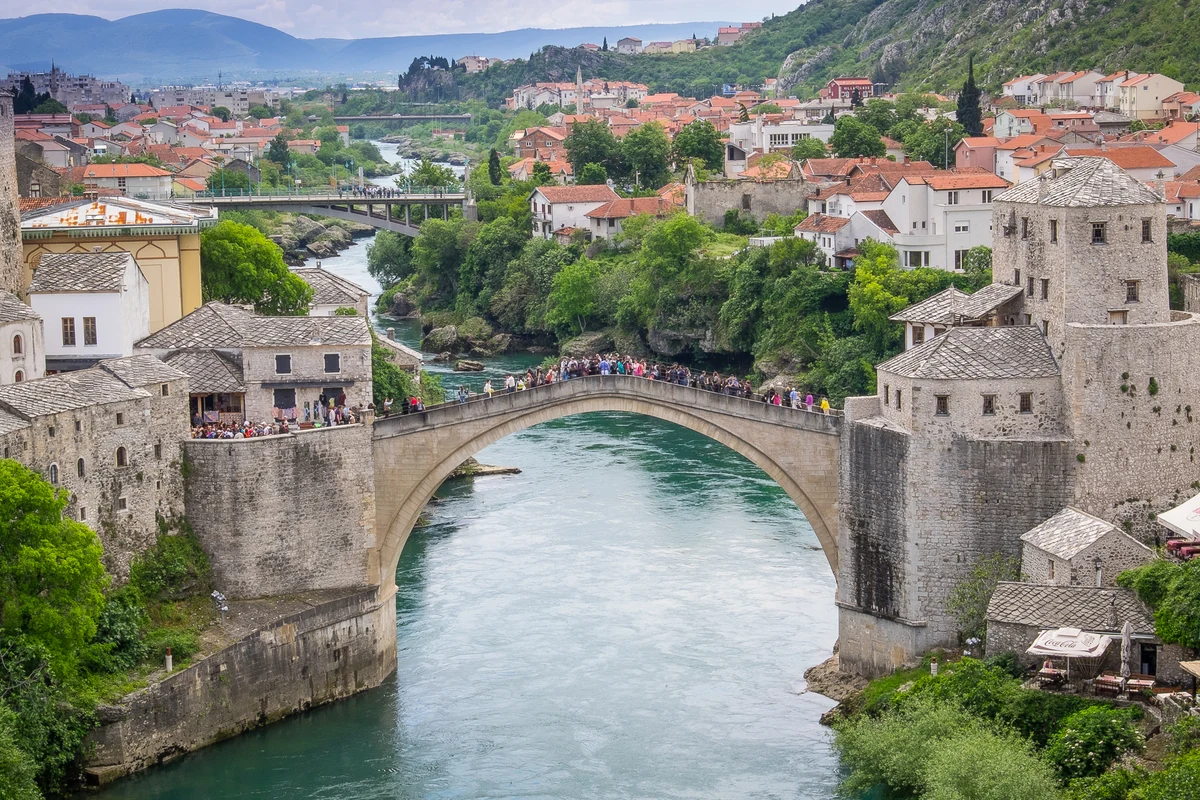
Mostar feels like stepping into a living history book, especially the Ottoman era. Its most famous landmark, the Stari Most Old Bridge, is truly the heart of the city. This elegant, arched stone bridge, originally built in the 16th century under Ottoman rule, was tragically destroyed during the Bosnian War in 1993. But here’s the amazing part: it was rebuilt in 2004, meticulously using traditional methods and even incorporating some of the original stones pulled from the river. Seeing it stand tall today is a powerful symbol of resilience.
Wandering through Mostar’s Old Town, especially the Kujundziluk bazaar , you’ll feel that authentic Ottoman vibe. The narrow, cobblestone streets are lined with stalls selling vibrant textiles, copper items, and traditional handicrafts. It’s a wonderful place to just stroll, take it all in, and maybe even grab a hand-made silver souvenir. You’ll also encounter historic mosques, like the Koski Mehmed Pasha Mosque, which offers panoramic views of the city and the bridge from its minaret – just be ready for a bit of a climb up narrow stairs! Mostar’s history also includes the more recent past. you can still see buildings with bullet holes, serving as stark reminders of the war in the 1990s. There are museums, like the Museum of War and Genocide, that provide a profound insight into this turbulent period. Mostar has always been a city of diverse ethnicities and religions, and you’ll feel that blend of cultures, sometimes referred to as an “East-meets-West vibe.” For a deeper understanding of the city’s rich past, consider joining a Mostar Walking Tour.
Dubrovnik: Walls of Grandeur
Dubrovnik, often called the “Pearl of the Adriatic,” showcases a different kind of historical grandeur, primarily influenced by its rich maritime trade and Venetian connections. The city’s most striking feature is its massive Old Town walls , which completely encircle the historic center. Walking along these walls is a must-do, offering incredible views of the red-tiled roofs, the shimmering Adriatic Sea, and the bustling Stradun, the main street of the Old Town.
Dubrovnik’s history is visibly grander, with impressive Renaissance and Baroque architecture. It was a center of language and literature during the 15th and 16th centuries. Thanks to its stunning preservation, Dubrovnik has become a famous filming location, most notably for Game of Thrones , which draws many fans to explore its real-life King’s Landing. While Dubrovnik’s history is compelling, it often feels more “polished” and less raw than Mostar, catering heavily to tourism.
Vibe & Atmosphere
The atmosphere in Mostar and Dubrovnik couldn’t be more different. It’s like comparing a cozy, bustling local market to a grand, lively festival.
Mostar: Laid-back & Authentic
Mostar has a more intimate and laid-back vibe. Because it’s smaller and not as overwhelmed by mass tourism, you get a stronger sense of local life. Walking through its Old Town, you’ll encounter a mix of residents going about their day alongside visitors. It feels less like a theme park and more like a real, lived-in city that welcomes tourists but isn’t solely defined by them. You can sit at a traditional cafe by the Neretva River, sip on Bosnian coffee, and watch the world go by. It’s generally less crowded, especially if you visit outside the peak bridge-jumping spectacle times or the busiest summer months. Many visitors feel a deep connection to Mostar, finding it “strangely touched” and “still healing,” which adds to its unique beauty and depth.
Dubrovnik: Bustling & Grand
Dubrovnik, especially its Old Town, is significantly more bustling and grand. It’s a major port for cruise ships, which means during peak season, the city can get incredibly crowded. The Stradun is usually packed with people, and walking the city walls often involves a steady stream of fellow tourists. While this creates a vibrant, high-energy atmosphere, some find it a bit overwhelming or “too touristy.” The city’s economy is heavily dependent on tourism, and you can feel that in the sheer volume of tour groups, souvenir shops, and international dining options. If you love a buzzing, energetic environment with lots of people-watching opportunities, Dubrovnik delivers. But if you prefer a quieter, more authentic experience, it might feel a bit much.
Cost of Travel
Your budget will definitely play a role in which city you choose, because there’s a pretty big difference in prices.
Mostar: Budget-Friendly Bliss
Mostar is remarkably budget-friendly compared to Dubrovnik, making it an excellent choice if you’re looking to stretch your travel funds further. The average daily cost per person in Mostar is around $97, covering accommodation, food, transportation, and activities. You can find accommodation for as low as $10 a night in hostels, with even high-end hotels offering great value.
When it comes to food, Mostar is a treat without breaking the bank. The average cost for food is about $49 KM82 per day per person. You can enjoy hearty, traditional Bosnian dishes like ćevapi, burek, or flavorful river trout at very reasonable prices. Bosnian coffee, often served with sugar cubes and Turkish delight, is an essential and affordable experience. Even a nice meal with a view of the Old Bridge won’t be a significant splurge. Souvenirs and local goods are also generally cheaper here than in Croatia.
Dubrovnik: A Pricey Pearl
Dubrovnik, being a major European tourist destination and a UNESCO World Heritage site, comes with a higher price tag. The average daily cost per person in Dubrovnik is around $139 to $142, which is noticeably more than Mostar. Accommodation, especially within the Old Town walls, can be quite expensive. Dining out, particularly at restaurants catering to tourists, will also cost you more. For instance, while a simple meal in Mostar might be a few dollars, a “delicious, authentic meal” in Dubrovnik could set you back around $20 per person. Even a coffee or a simple snack will generally be pricier.
If you’re looking to visit Dubrovnik, being flexible with your travel dates and avoiding peak season like August can help reduce costs, as prices tend to be lower in the shoulder or off-seasons. While you can find ways to save, like cooking your own meals or opting for cheaper street food, overall, Dubrovnik demands a larger budget for the same level of comfort and experience.
Things to See & Do
Both cities offer fascinating sights, but they cater to slightly different interests.
Mostar Must-Dos
In Mostar, the star of the show is, without a doubt, the Stari Most. Watching local divers plunge from its arch into the emerald Neretva River is a captivating spectacle, especially in the summer. Beyond the bridge, you’ll want to:
- Explore Kujundziluk Čaršija: This old bazaar is perfect for wandering, enjoying the historic atmosphere, and picking up unique local crafts.
- Visit the Koski Mehmed Pasha Mosque: Climb its minaret for breathtaking panoramic views of the Old Bridge and the city.
- Discover the Old Bridge Museum: Learn about the bridge’s history, destruction, and meticulous reconstruction, often with emotional video footage.
- See the Crooked Bridge Kriva Ćuprija: A charming miniature of the Stari Most.
- Take aMostar Walking Tour: This is a great way to get insights from a local guide about the city’s complex history and culture.
Mostar is also a fantastic base for exploring the natural and historical beauty of Herzegovina through day trips. Popular excursions include:
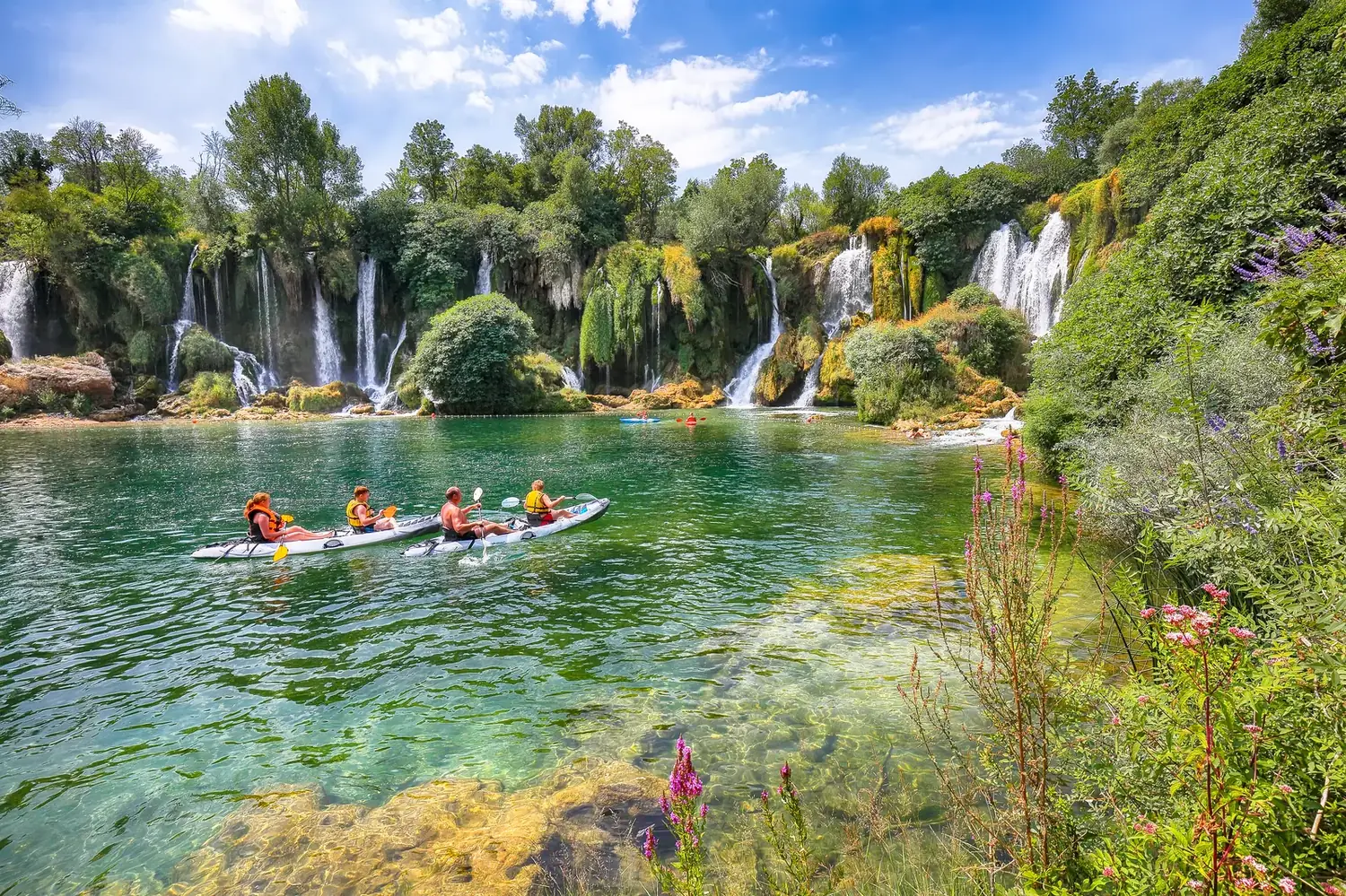
- Kravica Waterfalls: About 40 kilometers from Mostar, these stunning cascades offer a refreshing natural oasis perfect for swimming or picnicking. You can join a Kravica Waterfall Tour from Mostar or even a more comprehensive Kravica Waterfall Tour from Sarajevo, Mostar, Dubrovnik or Split.
- Blagaj Tekke: This beautiful 600-year-old Dervish monastery is built right into the base of a towering cliff, next to the turquoise Buna River spring.
- Počitelj: A medieval fortified village that feels like a step back in time, offering incredible views from its hilltop castle.
- Fortica Sky Walk: A glass skywalk offering thrilling views above Mostar. This is often included in day trips.
For broader exploration, you can also consider a Sarajevo to Mostar Day Trip or a Split to Mostar Day Trip to combine your visit.
Dubrovnik Highlights
Dubrovnik’s attractions lean more towards grand architectural wonders and coastal leisure:
- Walk the City Walls: This is Dubrovnik’s iconic experience, offering stunning views and a sense of history.
- Ride the Cable Car to Mount Srđ: For breathtaking panoramic views of the Old Town and the Adriatic coastline, especially at sunset.
- Explore Lokrum Island: A quick ferry ride away, this peaceful island offers beaches, botanical gardens, and even a fort with more great views.
- Wander the Stradun: The main promenade of the Old Town, perfect for people-watching, shopping, and soaking in the atmosphere.
- Visit Game of Thrones Filming Locations: Numerous tours are dedicated to showing you where iconic scenes from the show were filmed.
- Enjoy the Beaches: While not sandy, Dubrovnik has pebble beaches and swimming spots, like the famous “hole-in-the-wall” bars built into the city walls where you can swim.
Food & Drink
Food is a huge part of any travel experience, and both cities offer distinct culinary journeys.
Mostar’s Culinary Delights
In Mostar, you’re in for a treat with traditional Bosnian cuisine that’s both flavorful and incredibly affordable. You’ll find plenty of local eateries serving up:
- Ćevapi: Grilled minced meat sausages, often served with flatbread somun and chopped onions.
- Burek: Hand-rolled filo filled with meat, cheese, or vegetables. A popular snack or light meal.
- Dolma: Stuffed vegetables, a common and delicious dish.
- River Trout: Fresh from the Neretva River, a must-try if you enjoy fish.
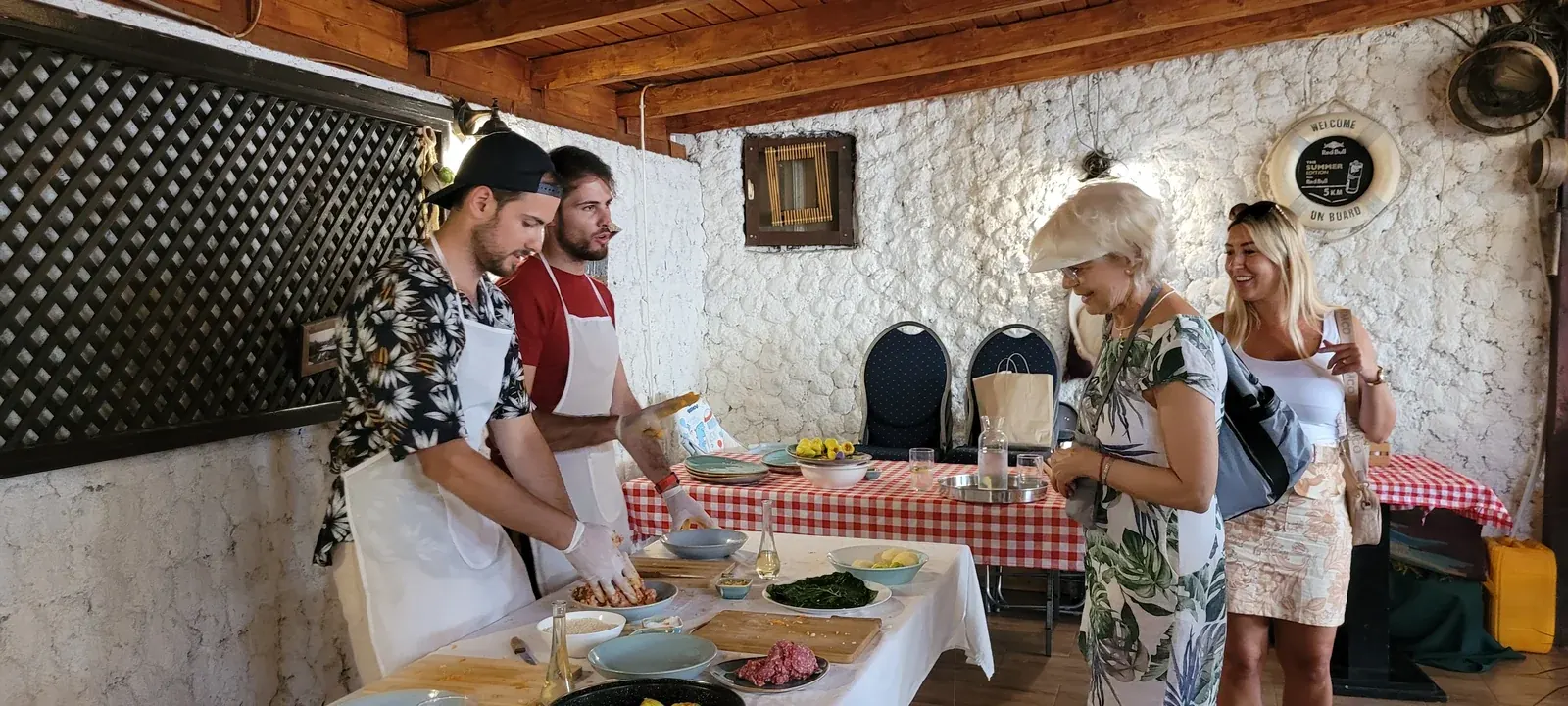
Beyond the meals, the Bosnian coffee culture is a truly immersive experience. Served in a small copper pot called a džezva with sugar cubes and Turkish delight, it’s meant to be savored slowly, often enjoyed in a traditional cafe with a view of the Old Bridge. For a hands-on experience, you could even try a Bosnian Cooking Class to learn how to make these dishes yourself. Also, don’t miss trying local sweets like baklava or tufahija stuffed apples, brought over during the Ottoman era.
Dubrovnik’s Gastronomy
Dubrovnik’s culinary scene leans heavily into Mediterranean and seafood dishes, reflecting its coastal location. You’ll find:
- Fresh Seafood: Expect grilled fish, calamari, mussels, and other delights from the Adriatic.
- Dalmatian Cuisine: Dishes often feature olive oil, herbs, and locally sourced ingredients.
- International Options: Due to its global popularity, Dubrovnik offers a wider array of international restaurants, from Italian to Asian.
While the food is excellent, be prepared for higher prices, especially within the Old Town. Many restaurants cater to the higher tourist demand, and you’ll find options for fine dining, food tours, and even unique experiences like a sunset dinner cruise.
When to Visit
Choosing the right time to visit can significantly impact your experience in both Mostar and Dubrovnik.
For Mostar , the shoulder seasons—spring April, May and autumn September, October—are often ideal. The weather is pleasant, and the crowds are generally smaller than in the peak summer months. Summers July, August in Mostar can be very hot, with average daily temperatures around 26°C 78°F in July, and the Old Town can get quite crowded. Winter sees colder temperatures, averaging around 6°C 42°F in January, and it can be quite rainy.
Dubrovnik also shines during the shoulder seasons April-May and September-October. You’ll enjoy comfortable temperatures and fewer crowds, making it easier to walk the city walls and explore. The summer months June-August are peak season, with hot weather around 25°C or 77°F in July and very large crowds, especially from cruise ships. If you dislike super crowded tourist spots, definitely aim for the shoulder seasons. Winters are milder than Mostar, averaging around 9°C 48°F in January, and while it’s less crowded, some tours and attractions might have limited hours.
Day Trips & Further Exploration
Both cities serve as excellent hubs for exploring the wider region, offering different types of adventures.
Mostar is your gateway to the historical and natural wonders of Herzegovina. From Mostar, you can easily venture out to:
- Kravica Waterfalls : A natural paradise perfect for a swim on a warm day. You can find tours like the Kravica Waterfall Tour from Mostar or other comprehensive Kravica Waterfall Tour options.
- Blagaj Tekke : The serene Dervish monastery at the Buna River spring.
- Počitelj : A picturesque medieval fortified village.
- Konjic : Known for white-water rafting on the Neretva River and Tito’s Bunker. We even have combo tours like Tito’s Bunker & Neretva Rafting Combo.
- Sarajevo : The vibrant capital of Bosnia and Herzegovina, easily reached for a Sarajevo to Mostar Day Trip.
- You can also (https://exploremostar.com/rent-a-car-mostar/) to explore at your own pace, which is a good idea as there’s plenty to see in the area.
Dubrovnik , being on the coast, is ideal for exploring other parts of Croatia and even Montenegro. Popular day trips include:
- Elafiti Islands : A group of islands perfect for island hopping, swimming, and relaxing.
- Lokrum Island : A small island just a short ferry ride away, offering beaches, a botanical garden, and historical sites.
- Montenegro : Many travelers take day trips to the stunning Bay of Kotor in Montenegro, visiting towns like Kotor and Budva.
- Ston : Famous for its ancient walls and oyster farms.
If you’re planning a multi-country trip, private transfers are a convenient way to travel between these destinations. For example, you can arrange a Dubrovnik Mostar private transfer or a Split Mostar private transfer to connect your journey across the Balkans. We also offer (https://exploremostar.com/custom-travel-itineraries-bosnia-herzegovina/) if you need help planning your adventure.
Final Verdict
So, which Balkan gem should you visit? It really boils down to your personal travel style and what you’re hoping to experience.
Choose Mostar if:
- You’re a budget-conscious traveler looking for incredible value.
- You crave a deep cultural immersion into Ottoman history and authentic local life.
- You prefer a more laid-back, less crowded atmosphere.
- You’re interested in raw, poignant history and seeing the resilience of a city.
- You love natural beauty and outdoor adventures , with stunning waterfalls and historic villages easily accessible on day trips.
- You’re keen to experience a different side of the Balkans , distinct from the more Western European feel of coastal Croatia.
Choose Dubrovnik if:
- You’re looking for a classic, picturesque coastal city with grand architecture.
- You don’t mind a higher price point for your travel.
- You enjoy a bustling, vibrant atmosphere with plenty of fellow tourists.
- You’re a Game of Thrones fan eager to explore filming locations.
- You want easy access to beaches, island hopping, and yachting experiences.
- You prefer a more developed and polished tourist infrastructure.
Ultimately, both Mostar and Dubrovnik are fantastic destinations, each offering a unique window into the Balkan region. If your schedule allows, a combination of both, perhaps with a Dubrovnik to Mostar Day Trip, offers a wonderful contrast and a comprehensive experience of this diverse part of the world.
Visit on a guided tour
Our Kravica Waterfall day tour from Mostar combines the best of the Mostar region — Kravica Waterfall, Pocitelj fortress, and Blagaj Tekija — in one full day. €50 per person, hotel pickup, English-speaking guide, all entries.
For custom multi-stop trips with full flexibility, book a private transfers from Mostar start at €60/vehicle for short routes. WhatsApp +387 61 209 388.
FAQ
Frequently asked questions
Which is better — Mostar or Dubrovnik?
Different experiences. Dubrovnik is a UNESCO walled city, more famous, more expensive, more crowded. Mostar is more authentic Bosnia, much cheaper, smaller. Most travelers visit both — they're 2 hours apart.
Is Mostar cheaper than Dubrovnik?
Yes — about 40-50% cheaper across the board. Hotels, restaurants, taxis, attractions all significantly cheaper in Bosnia.
Can I do Mostar as a day trip from Dubrovnik?
Yes, but you'll only see the highlights. Better to stay 1 night in Mostar to also visit Kravica, Blagaj, Pocitelj.
Should I visit Dubrovnik or Mostar first?
Either works. Most travelers do Dubrovnik then Mostar (south-to-north Balkan route).